Hello. I am Dongju Hyun, M.D., the Medical Director and a Board-Certified Dermatologist at TERRA Dermatology Clinic.
During consultations, the most frequent question I encounter is: “Doctor, will it hurt a lot?” Many patients hesitate to get highly effective treatments like Ultherapy or Rejuran simply due to the fear of pain.
While “0% pain” may be clinically impossible in modern aesthetics, managing it to a perfectly tolerable level is absolutely achievable. Today, I will share how we manage discomfort during procedures and introduce TERRA’s specialized approach to pain control.
1. Understanding the Types of Procedural Pain
Pain is not one-size-fits-all. Different energy devices and injection techniques trigger distinct sensations:
- Stinging (Sharp Pain): Triggered by microneedle RF (like Potenza) or needle injections as they penetrate the skin surface.
- Burning (Thermal Pain): Experienced during high-energy treatments like Thermage or IPL as energy converts to heat.
- Dull Pain (Deep Ache): A deep, radiating ache common during HIFU treatments like Ultherapy, which target the deep SMAS (fascia) layer.
- Pressure (Expansion Pain): A tight, stretching sensation felt as fillers or skin boosters expand within the dermal tissue layers.
Identifying the exact nature of the pain allows us to select the most effective anesthetic method.
2. Before Treatment: Optimizing the Golden Time of Numbing Cream
Topical numbing cream is our first line of defense. However, its efficacy depends entirely on how it is applied.
- OCD (Occlusive Dressing Technique): We seal the applied cream with a specialized wrap, boosting skin absorption rates by 2 to 3 times.
- Ultrasound-Guided Infusion (LDM): We often utilize micro-ultrasound to actively drive the anesthetic ingredients deeper into the dermis.
- Adequate Timing: We allow the cream to sit for a minimum of 30 to 60 minutes to ensure deep tissue saturation.
2.1. Minimizing Injection Pain via pH Optimization
The stinging sensation from botulinum toxins or skin boosters occurs not just from the needle prick, but from the chemical mismatch (pH and osmolality) of the fluid entering the skin. For instance, highly acidic lidocaine causes a distinct burning sensation upon injection.
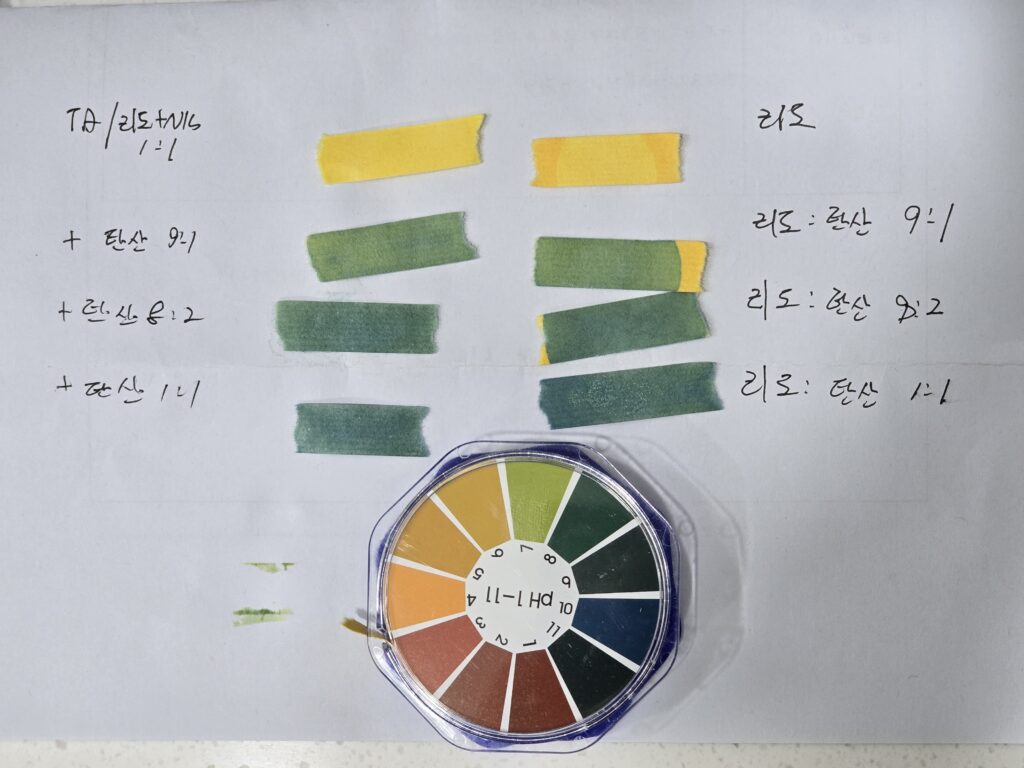
To counteract this, our clinic utilizes a proprietary pH-neutralizing injection mix protocol to balance the solution closer to the body’s natural pH before injection.
3. During Treatment: Advanced Physical Pain-Blocking Techniques
While numbing cream handles the skin surface, active pain-blocking methods are deployed during the actual procedure:
- Nerve Blocks: Direct injection of an anesthetic into specific nerve branches to completely numb a targeted region, reducing localized pain by 80–90%.
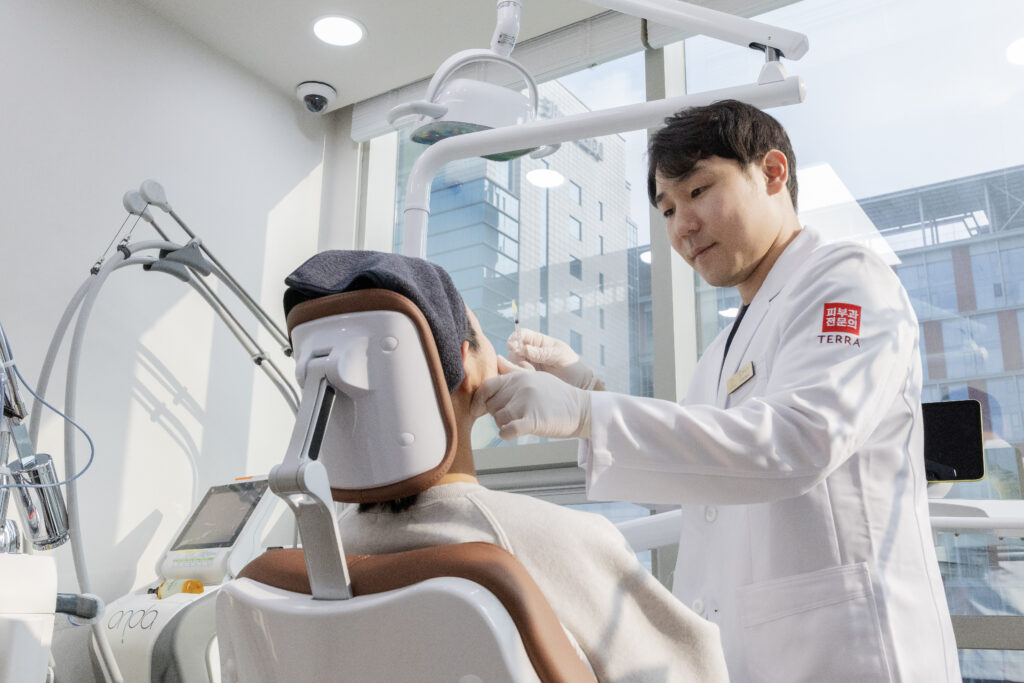
- Cryo-Cooling: Lowering skin temperature temporarily slows down nerve pain transmission. We utilize specialized chillers that blow sub-zero air during laser treatments to prevent surface burns and numb sensations.
- Vibration Therapy: Based on the Gate Control Theory, our brains process vibration sensations faster than pain. Placing a micro-vibrator next to the injection site coaxes the brain into registering significantly less pain.
- Inhalation Sedation (Laughing Gas): Utilizing an FDA-approved delivery system, patients inhale a controlled mix of nitrous oxide. This induces a relaxed, floating sensation that dulls pain awareness while keeping the patient fully conscious.
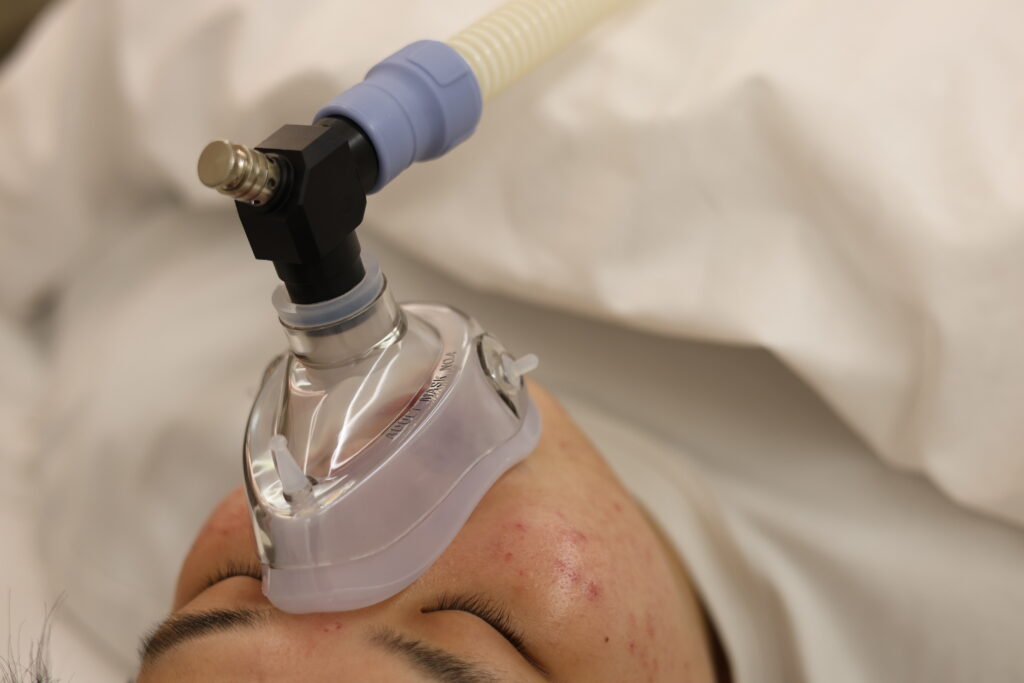
- Conscious Sedation (Sleep Anesthesia): Reserved for complex cases, this addresses severe anxiety, tension, and procedural fear under strict monitoring and safety guidelines.
4. Pain Index & Relief Expectations by Procedure
| Procedure | Primary Pain Type | Pain Index (0–10) | Recommended Anesthesia | Expected Pain Reduction |
| Ultherapy | Deep Dull Ache | 6–7 | Numbing Cream + Nitrous Oxide | ~40–50% Reduction |
| Thermage | High Thermal Heat | 5–6 | Numbing Cream + Cryo-Cooling | ~50–60% Reduction |
| Potenza | Sharp Stinging | 4–5 | Numbing Cream + Cryo-Cooling | ~30–40% Reduction |
| Skin Boosters | Needle Prick & Pressure | 5–7 | Numbing Cream + Vibration + Cooling | ~50–60% Reduction |
| Acne Scar Revision | Complex Deep Pain | 7–8 | Numbing Cream + Nerve Block | ~70–80% Reduction |
Note: Individual pain thresholds vary; relief percentages represent clinical averages.
5. After Treatment: Post-Care Soothing
Proper post-treatment care eliminates the residual stinging or burning sensation that can linger for 1–2 hours after a session:
- Cryotherapy Management: Instantly cools down skin temperature to prevent delayed thermal damage.
- LDM Water-Drop Lifting: Uses dual-frequency ultrasound to soothe the tissue, rapidly reducing swelling and soreness.
- LED Light Therapy: Suppresses immediate inflammatory responses, alleviating the post-procedural throbbing sensation.
6. TERRA’s Signature ‘Comfort Protocol’
At TERRA Dermatology, we do not simply apply numbing cream and hope for the best. We employ a multi-layered pain management system tailored to each patient’s comfort level:
- Enhanced Occlusion & LDM Infusion: Maxims the depth and potency of topical anesthetics.
- Dual-Layer Anesthesia: Merging topical numbing with targeted nerve blocks where necessary.
- Simultaneous Device Modalities: Interlocking vibration, gas sedation, and cooling during the live procedure.
- Physician-Led Parameter Tuning: I personally monitor your comfort mid-treatment, micro-adjusting the device energy, depth, and injection pacing in real time.
Conclusion: Less Pain, Better Results
The old adage “no pain, no gain” only applies halfway to dermatology. While higher energy levels often yield better clinical results, a patient flinching or interrupting the procedure due to agonizing pain leads to inaccurate energy delivery.
The best clinical outcomes are achieved when a patient is entirely relaxed, allowing the planned energy to be delivered with absolute precision. If you have been delaying your skin treatments out of fear of pain, you can take a step forward with confidence. We have paved a smoother, more comfortable path for your aesthetic journey.
Thank you. This has been Dongju Hyun, M.D.